 (03338) 3414 400


Herzlich willkommen beim IFN Schönow e.V.
Das IFN ist eine gemeinnützige Bildungs- und Forschungseinrichtung auf dem Gebiet der Tierzucht und Nutztierforschung. Nach der initialen Gründung vor mehr als 60 Jahren wurde es vor über 25 Jahren neu gegründet mit dem Auftrag die Forschung, sowie die Aus- und Weiterbildung im Bereich der Reproduktion landwirtschaftlicher Nutztiere aufzubauen und weiterzuentwickeln.
Das IFN hat sich mit den Forschungsergebnissen national und international positioniert, sich in der Aus- und Fortbildung im Bereich der Fortpflanzung in Deutschland, Österreich und in der Schweiz eine führende Stellung gesichert und sich auf dem Gebiet der Spermatologie bei Rind und Schwein als das Referenzinstitut deutschlandweit etabliert. Die Kernkompetenz des Instituts, praxisnahe Bildung weiterzugeben sowie praxisorientierte Forschungsfragen zu bündeln, zu strukturieren, zu bearbeiten und neue Erkenntnisse einer breiten Zielgruppe zugänglich zu machen, spielt bei allen Forschungsarbeiten eine zentrale Rolle.
Unsere Kernkompetenzen |
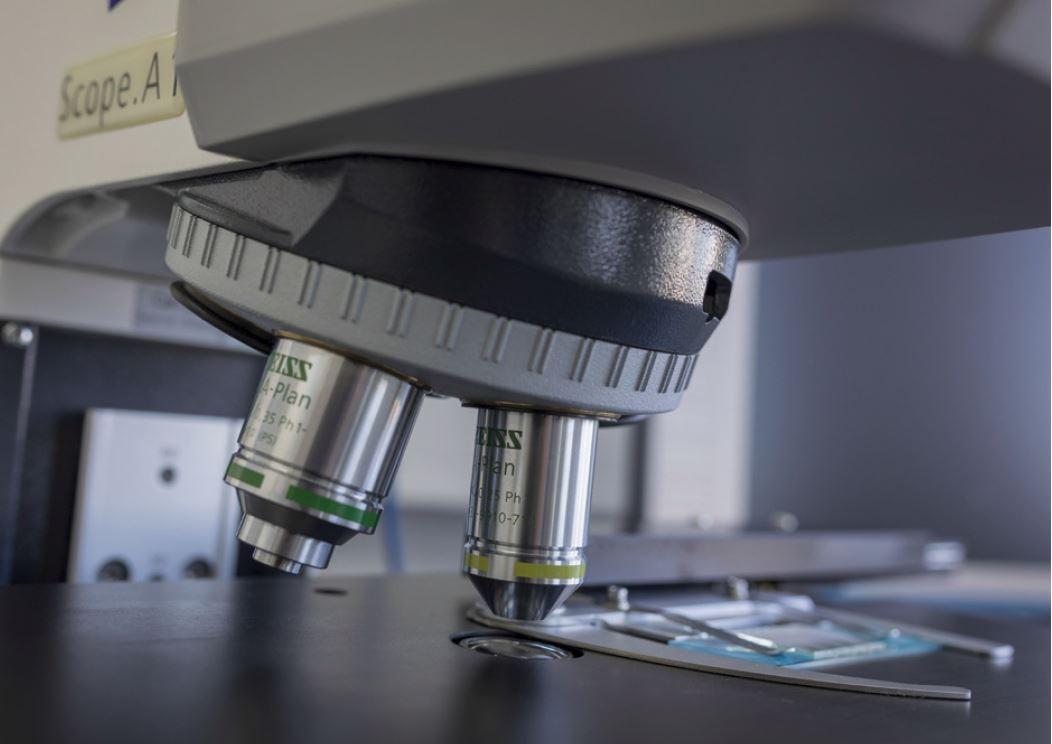
++Forschung++ Die Forschung am IFN bezieht sich auf aktuelle Forschungsfelder in der Reproduktion landwirtschaftlicher Nutztiere, wie u.a. Alternativen zum Antibiotikaeinsatz, Verbesserung des Tierwohls und der Tiergesundheit, Reduzierung der Treibhausgas-Emissionen aus der Nutztierhaltung.
Projekte - Klimaschutz, Tierwohl und Regionalentwicklung / Projekte - Weibliche Fertilität / Projekte - Männliche Fertilität
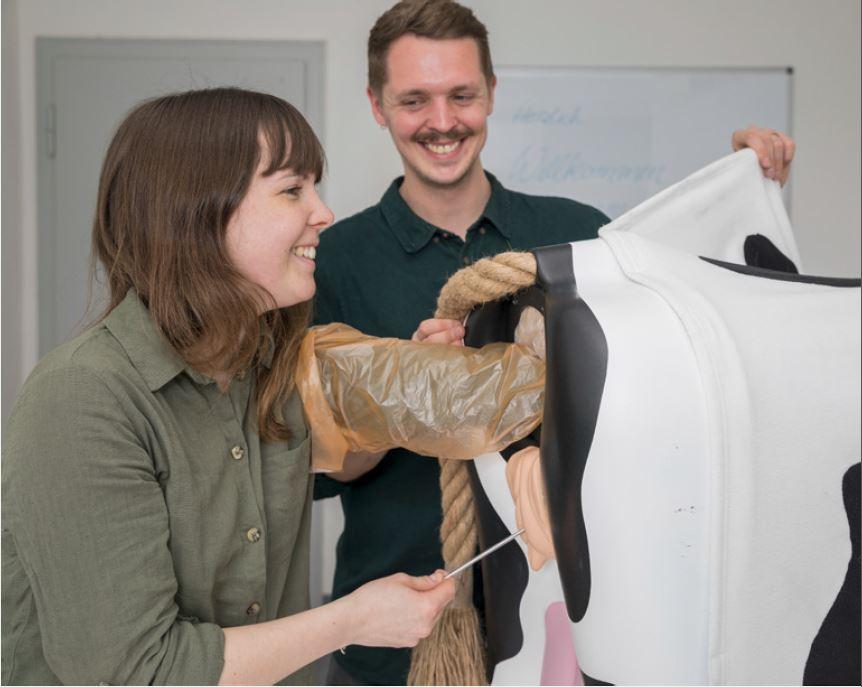
++Aus- und Fortbildung++ Als Bildungsinstitut nimmt der Sektor Wissenstransfer eine tragende Stellung am Institut ein. Da das Institut eine anerkannte Ausbildungsstätte für spezifische Lehrgänge im Bereich der Reproduktion bei landwirtschaftlichen Nutztieren ist, finden hier jedes Jahr eine Vielzahl von fachspezifischen Veranstaltungen statt. Landwirte, Studenten und Tierärzte können im Rahmen dieser Lehrgänge sowie durch ein zusätzliches breites Fortbildungsangebot fundiertes theoretisches Wissen und praktische Fertigkeiten am Tier erlangen und ausbauen. [mehr]
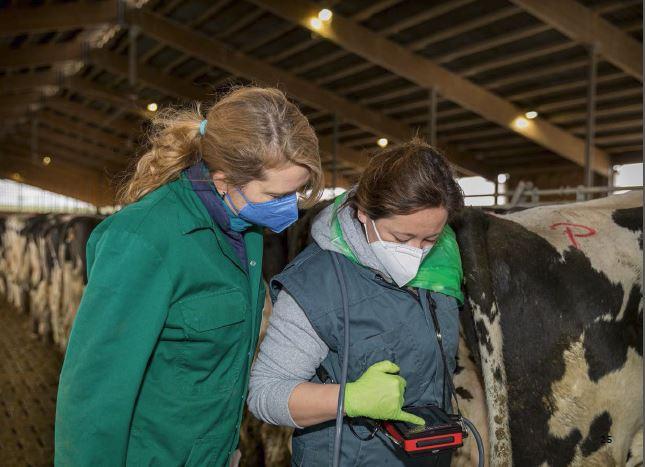
++Beratung und Service++ Das IFN bietet für die landwirtschaftliche Nutztierhaltung eine umfassende Beratung in den Bereichen Reproduktion, Tierwohl, Tiergesundheit und Produktionstechniken. Wir fühlen uns dazu verpflichtet, ratsuchenden Betrieben mit unserem gesamten IFN Berater Team aus Veterinärmedizinern, Agrarwissenschaftlern und IT Experten bei der Problemerkennung, Maßnahmenplanung, Umsetzung und Entscheidungsfindung bestmöglich zu unterstützen. [mehr]